



PLA (Polylactic Acid) Nonwoven Fabric
Polylactic acid non woven fabric, also called PLA, is a type of 100%biodegradable nonwoven.
PLA nonwovens are made from PLA resin or fibers which are producedfrom bioplastics derived from natural sources like crude corn, starch,and sugar.
Strong yet soft like traditional nonwoven PLA fibers are very durabledue to their 95% crimp resilience which is better than any otherchemical fiber on the market.
The features of PLA non-woven:
● Degradable
● Environmental protection and no pollution
● Soft and skin-friendly
● The surface of the cloth is smooth without crumbs, and the uniformity is good
● Good ventilation performance
● Good water absorption performance
- Technology Data Sheet

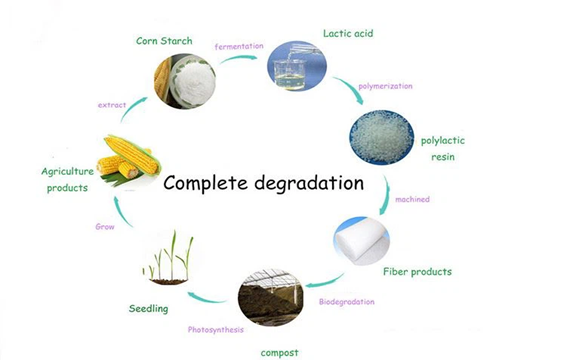
Characteristics f PLA nonwoven Fabrics
Corn fiber (PLA), also known as: polylactic acid fiber; has excellent drapability, smoothness, moisture absorption and breathability, natural antibacterial and weak acidity that reassures the skin, good heat resistance and UV resistance, the fiber It does not use petroleum and other chemical raw materials at all, and its waste is under the action of microorganisms in soil and seawater.
It can be decomposed into and water, and will not pollute the earth’s environment. Since the initial raw material of the fiber is starch, its regeneration cycle is short, about one to two years, and its content in the atmosphere can be reduced by plant photosynthesis. Burning PLA fiber, almost none, its heat of combustion is about one-third that of polyethylene and polypropylene.
PLA fiber uses natural and renewable plant resources as raw materials, which reduces the dependence on traditional petroleum resources and meets the requirements of sustainable development of the international community. The characteristics of biodegradation, compared with conventional fibrous materials,
Thermally bonded and needle punched nonwovens produced using PLA are more versatile. Household diapers, sanitary napkins, polylactic acid fiber quilts, etc. have been developed without adding any ingredients. The material is naturally antibacterial and anti-mite.
2M Width PLA Nonwoven Production Line
The 2M PLA nonwoven production line was officially completed and put into production in December 2023. The basic parameters are as follows:
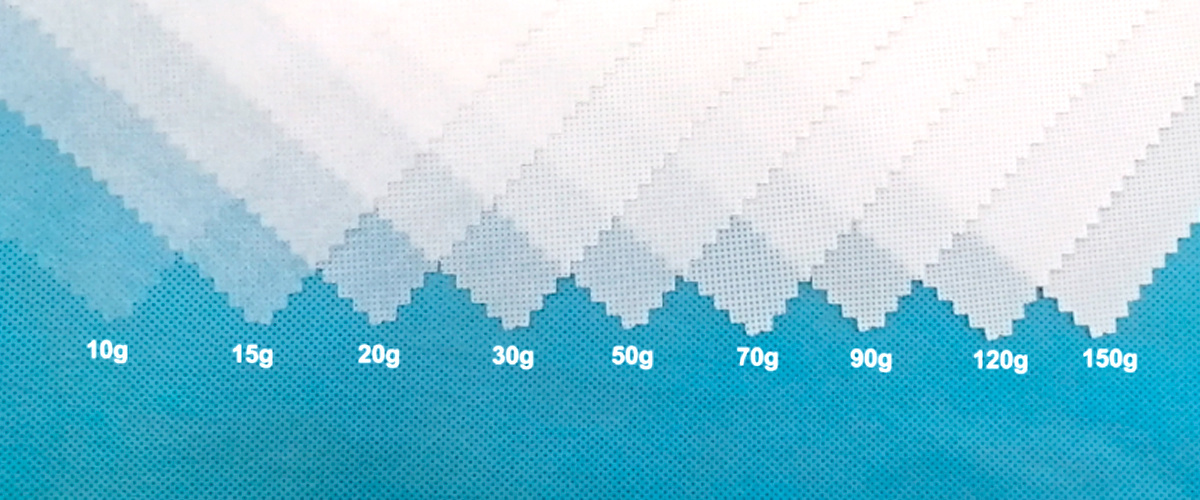
Gsm Range: 10gsm – 180gsm
width: 20cm – 200cm
Max speed : 150 m/min
Capacity: 2000 mt/year
Our PLA production technology is advanced, and the width meets the different needs of various customers.


3.2M Width PLA Nonwoven Production Line
The ultra-wide 3.2M PLA non-woven fabric production line was officially completed and put into production in April 2024. The basic parameters are as follows:
Gsm Range: 10gsm – 100gsm
width: 15cm – 320 cm
Max speed : 400 m/min
Capacity: 3000 mt/year
My Site Related Products

What is the difference between PLA, PET and PP?
| Name | PLA | PET | PP |
| Raw Material | Polylactic acid is extracted from corn, wheat, cassava and some other plants. | Polyester (Petroleum-based ingrediens) |
Polypropylene (Petroleum-based ingrediens) |
| Melting Point | Around 180 ºC | Aroud 260 ºC | Around 180 ºC |
| Biodegradable Speed | It will normally take 45 days for the completely decomposite into CO2 and H2O under the action of microorganisms, water, acids and alkalis when PLA nonwoven fabric are discarded in soil or water. | It is non biodegradable theoretically. Expect the mixed type by adding the biodegradable addtivies. | It is non biodegradable theoretically. Expect the mixed type by adding the biodegradable addtivies. |
| Polution to Earth | Zero | Yes | Yes |
| Handfeeling | Similar as PP | Stiffness | Similar as PLA |
| Flame Retardant | Naturally flame retardant, low smoke, high safety. | No | No |
| Anti-bacterial | Yes | No | No |