
New Eco-friendly Material
| Item: | Printed Non woven Fabric |
|---|---|
| Weight: | 30 g/sm – 100 g/sm |
| Width: | 1.6m |
| Printing Style: | Gravure color printing and flexo color printing |
| Printing Colors: | 4 – 5 colors |
| Designs: | we have own deisgns or customized for customers’ designs |
| Printing Machines: | 4 printing lines |
| Length: | we can produce 50m, 100m, 200m/roll…. or customized for customer demand |
What is Printed Non woven Fabric ?
Printed non-woven fabric refers to non-woven fabrics that have been printed with a design or pattern using a printing process.
Non-woven fabrics are a type of engineered textile material that are made by bonding fibers together using heat, chemicals, or mechanical processes, rather than by weaving or knitting.
Printing designs or patterns onto non-woven fabrics can add aesthetic appeal and functionality to the material.
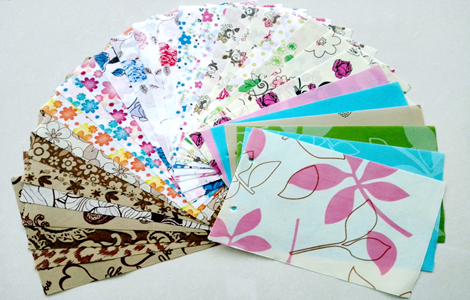
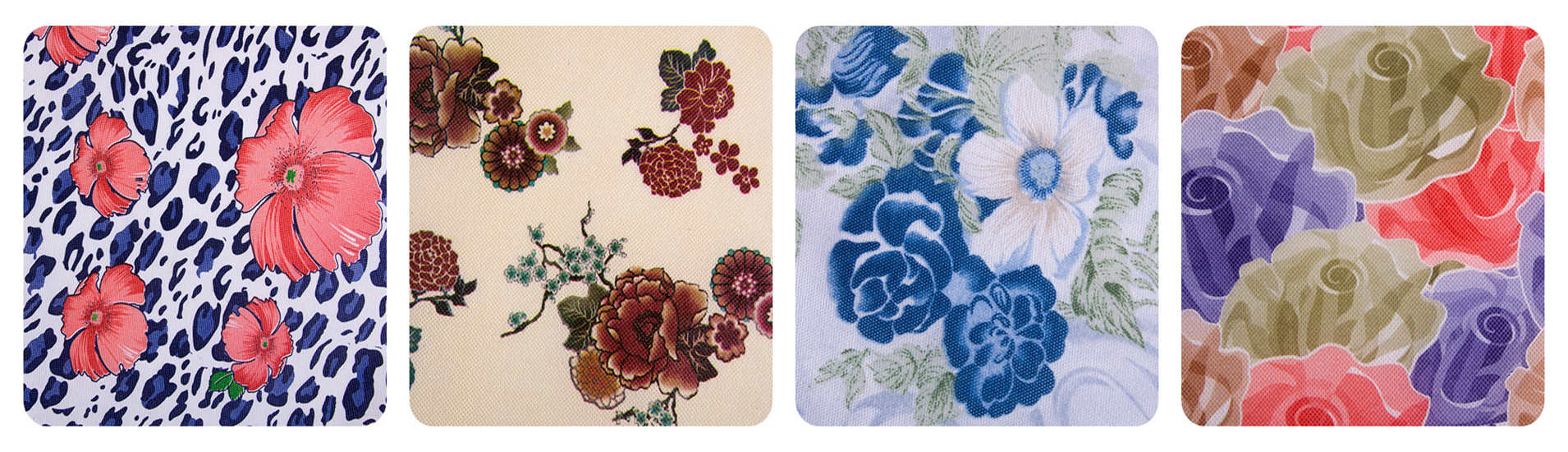
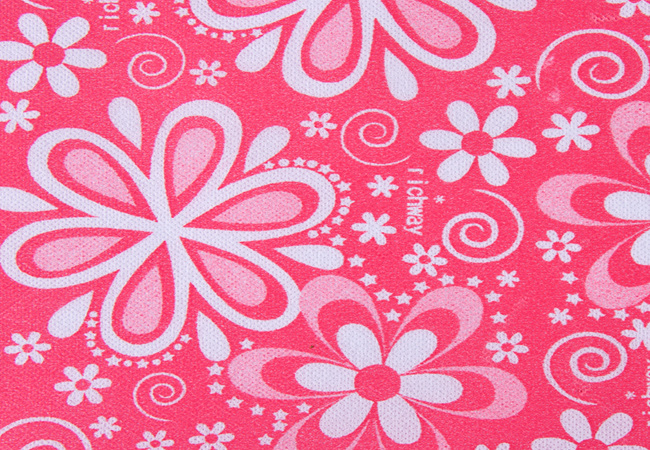
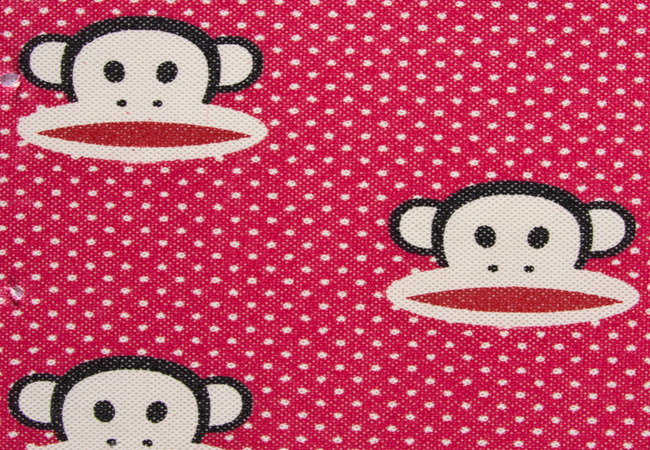
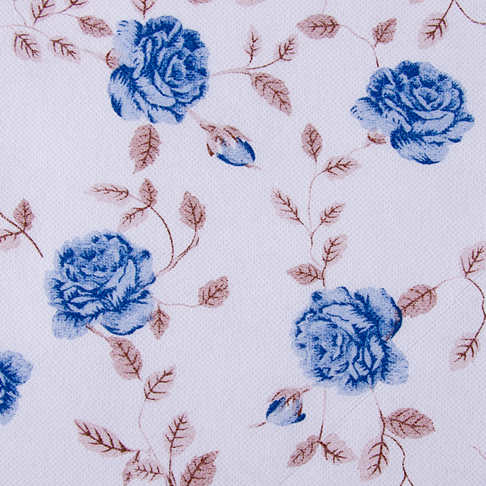
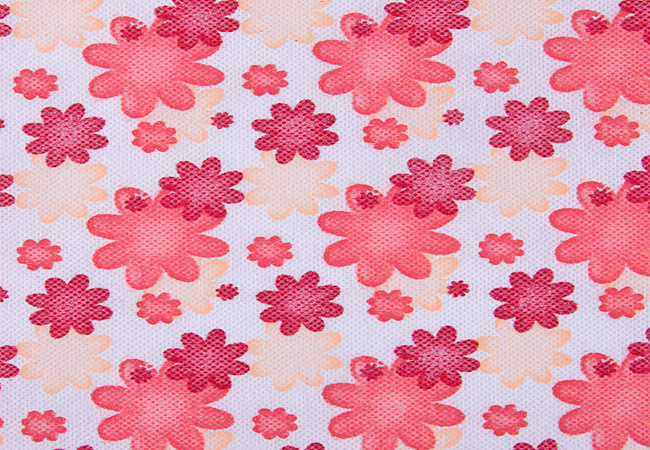
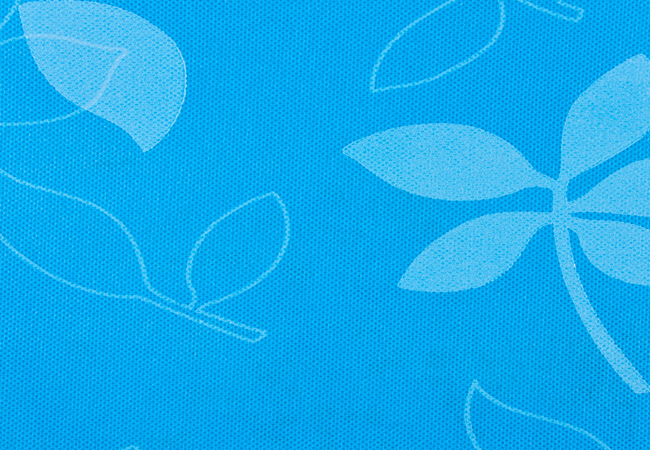
Printed Non woven Fabic Newest Designs
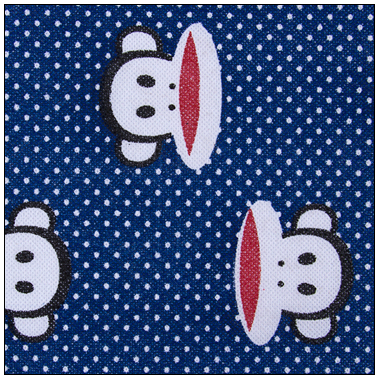
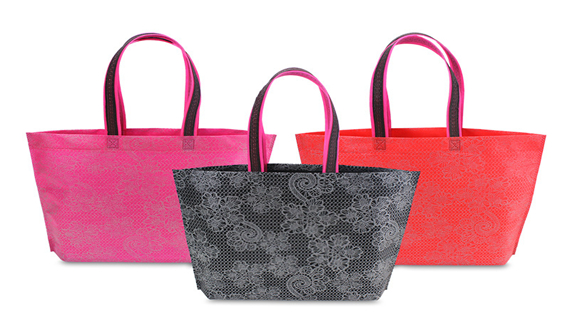
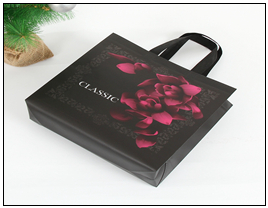
Printed non-woven fabrics can be used to make advertising bags, gift bags, corporate product packaging bags, etc.
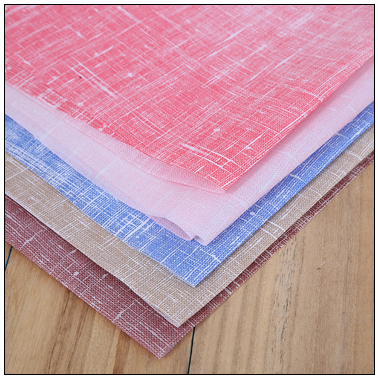
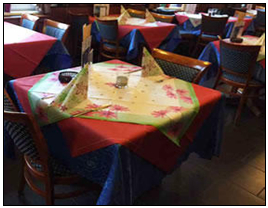
Printed non-woven fabrics can be used for home wall decorations, tablecloths, shower curtains, and other products.
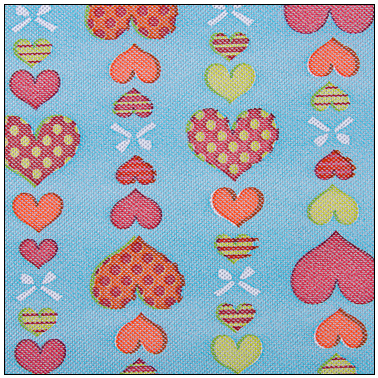
Printed non-woven fabrics can be used as materials for shopping bags, product packaging bags and DIY handbags, etc.
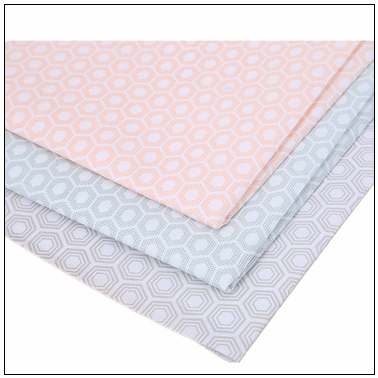
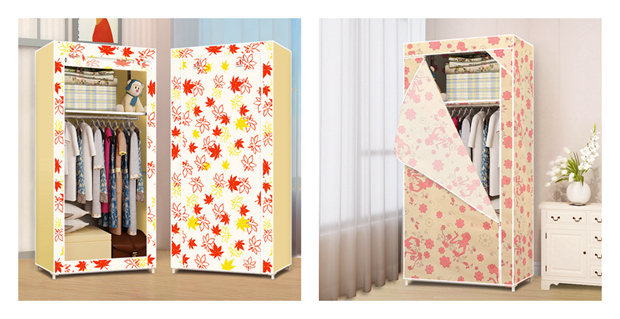
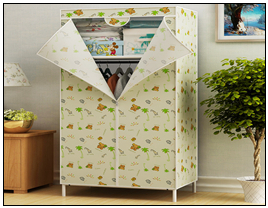
Printed non-woven fabrics are widely used in home life, including storage boxes, storage cabinets, travel luggage bags, portable wardrobes, etc.
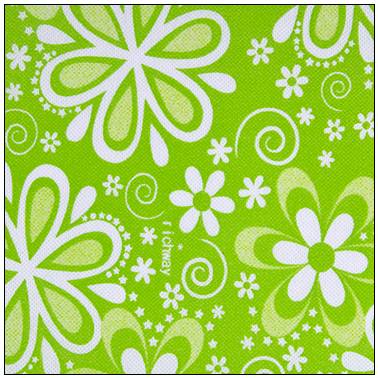
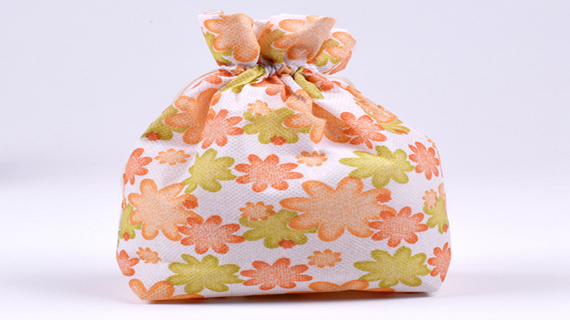
Gift bags in various fields such as jewelry gift bags, holiday gift bags, food gift bags, wine gift bags, birthday gift bags, advertising gift bags, etc.
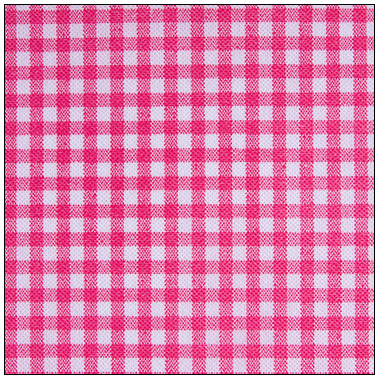
Printed non-woven fabrics can also be used in flower packaging, gift packaging, product packaging and stationery products.
- Printing methods for non-woven bag
Commonly used printing methods for non-woven bags include rubber plate embossed printing, and gravure color printing.
1. Rubber plate embossing

Introduction: A six-color roller printing machine is used to print on the fabric. An engraved rubber plate is used to affix it to the rubber roller, and environmentally friendly ink is used.
Commonly known as: offset printing (different from offset printing on paper), relief printing, flexo printing.
Advantages: low price, fast speed, a little bright color, widely used in society.
Disadvantages: The color is relatively light, and it is only suitable for fabrics with light pigments, such as white, beige and other light-pigmented fabrics.
2. Gravure color printing

Introduction: Use a seven-color gravure printing machine to carve the pattern on the roll gravure plate (material is made of iron), then place the plate on the printing machine, print it on the OPP film, and then cover it on the non-woven fabric through a laminating machine. superior.
Commonly known as: color printing, gravure printing.
Advantages: The size of the pattern is arbitrary, and there is no need to deliberately reduce the pattern. It can print high-precision pictures such as portraits and landscapes. The concentration is high, so that the entire bag presents a beautiful picture. When the quantity of bags is large, the price advantage is obvious and the speed is fast.
Disadvantages: The printing fee is expensive, and the cost sharing is relatively high for a small number of bags.
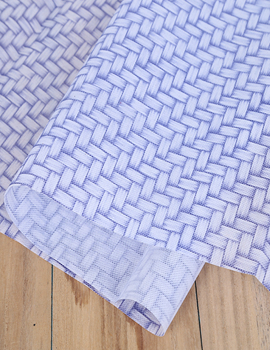
Color printing on non woven fabrics
Printed nonwovens can come in a variety of colors, depending on the pigments used for printing and the color of the nonwoven.
Printed non-woven fabrics are usually printed using digital printing or dye printing technology, which allows a variety of patterns and colors to be printed on the non-woven fabric.

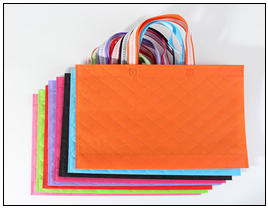
Some common printed nonwoven colors include white, black, red, blue, green, yellow, orange, pink, etc.
In addition, printed non-woven fabrics can also be printed with special effects such as rainbow colors, metallic colors, gold & silver colors, and pearlescent colors, etc.
Characteristics of printed non-woven fabric in package industry
1. Soft: Lightweight hot-melt adhesive molding composed of fine fibers (2-3D). The finished product is moderately soft and comfortable.

2. Printed non-woven fabric purifies the air and uses the advantages of small holes to prevent bacteria and viruses.
3. Light weight: Polypropylene resin is used as the main production material, with a specific gravity of 0.9, only 3/5 of cotton. It is soft and feels good.
Shopping/Grocery Bags: Non-woven bags are a popular choice for shopping and grocery bags because they are strong, durable, and can be used to carry a lot of weight.

Simple wardrobe: Many simple wardrobes are made of printed non-woven fabrics or printed film lamination non-woven fabrics. They are cheap and easy to carry, and are very suitable for young people.
Storage bags: Small non-woven storage bags can hold some small items, and large storage bags can store personal luggage or clothes, bedding, etc.

Gift Bags: Custom non-woven bags make great gift bags because they come in a variety of colors and styles. Additionally, they can be customized with a personal message or monogram to connect with the gift recipient.
Non-woven products related to printing technology

| Non-woven product applications and corresponding weights | |
| 10-40gsm | for medical and hygiene:such as baby diaper,surgical cap,mask,gown |
| 15~70gsm | for agricultural covers , wall cover, |
| 50~100gsm | for home textile:shopping bags, suits pockets,gifts bags, sofa upholstery,spring-pocket,table cloth mattress packing |
| 50~120gsm | sofa upholstery, home furnishing, handbag lining,shoe leather lining |
| 100-200gsm | blind window,car cover |
| 17-30gsm,
1-3% UV |
specially for agricultural covers |