


In the production of non-woven fabrics, quality inspection is crucial.
Common quality inspection standards include the uniformity of fiber distribution.Uniform fiber distribution ensures the consistency of product performance. Strength is also one of the key standards, which determines the durability of non-woven fabrics in use. There is also breathability, which is very important for some specific application scenarios.
In terms of inspection methods, the first is visual inspection, which detects surface defects, color differences and other problems through direct observation. Thickness measurement can use special instruments to accurately obtain data to determine whether it meets the standards. Tensile strength testing can evaluate the mechanical properties of non-woven fabrics and is operated by a tensile testing machine.

Breathability testing measures the rate at which air passes through non-woven fabrics through specific equipment. In addition, weight testing is performed to ensure that the gram weight of the product meets the requirements. For some non-woven fabrics with special functional requirements, such as filtration performance, there will also be special testing methods to verify their effectiveness.
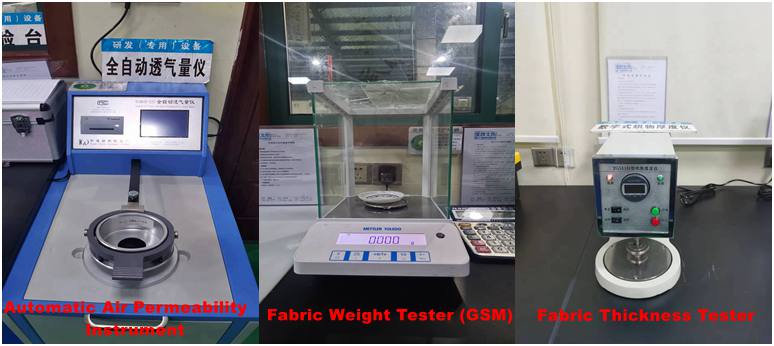
In order to ensure the accuracy and reliability of quality inspection, our company needs to use high-precision testing instruments, which are operated and analyzed by professionals. At the same time, a complete quality inspection system should be established to strictly monitor each link in the production process. Only in this way can we ensure the production of high-quality non-woven products to meet the needs of different fields. Quality inspection is an indispensable link in the production of non-woven fabrics to ensure product quality.
